
Key features
- AVS voltage stabilizer on the AC side, regulating an 85–140 Vac supply at ±2%
- Bidirectional stabilizer: grid power passes in for regulation and inverter output passes back out to the grid
- Grid-tied export is retained — a one-way stabilizer would force the inverter to bypass it
- 50/60 Hz auto-sensing with ±0.1% output frequency
- Two MPPT inputs, 12 kW + 12 kW PV at 32 A + 32 A, up to 250 A charging
- Tiered overload protection and 10 ms transfer; IP21, 4000 m rating, LCD with RS232, RS485 and CAN
Technical specifications
Values below are transcribed from the supplied datasheet. Items marked "to be confirmed" are pending supplier verification and are not commercial commitments.
| Rated AC power | 12 000 W split-phase; 7 200 W single-phase (terminal limit) |
|---|---|
| Surge power | 18 000 W (unit as printed in source; to be confirmed) |
| Output voltage | 120 Vac (L1/N, L2/N) / 240 Vac (L1/L2) |
| AC input voltage range | (85–140 Vac) ±2% |
| Output frequency | 50/60 Hz auto input; 50/60 Hz ±0.1% output |
| Transfer time | 10 ms typical |
| AC mode efficiency | 95% (battery mode) |
| Max. PV input power | 12 000 W + 12 000 W |
| Max. PV input current | 32 A + 32 A |
| PV / MPPT operating range | 90–450 Vdc / 500 Vdc max |
| PV / hybrid charge current | 250 A PV / 160 A AC / 250 A hybrid |
| Battery nominal / start voltage | 48 V nominal / 54 V float / 61 V overcharge protection |
| Battery type | Lithium and lead-acid |
| Display / interface | LCD; RS232 / RS485 / CAN |
| Monitoring | WiFi (optional / built-in / external) — factory configuration to be confirmed |
| IP rating / topology | IP21 |
| Operating temperature / humidity | −10 to 60 °C; 5–95% RH non-condensing |
| Storage temperature | −15 to 60 °C |
| Altitude / noise | 4 000 m; derate above 1 000 m |
| Overload protection | 105–110%: 5 min; 110–125%: 10 s; > 125%: 5 s |
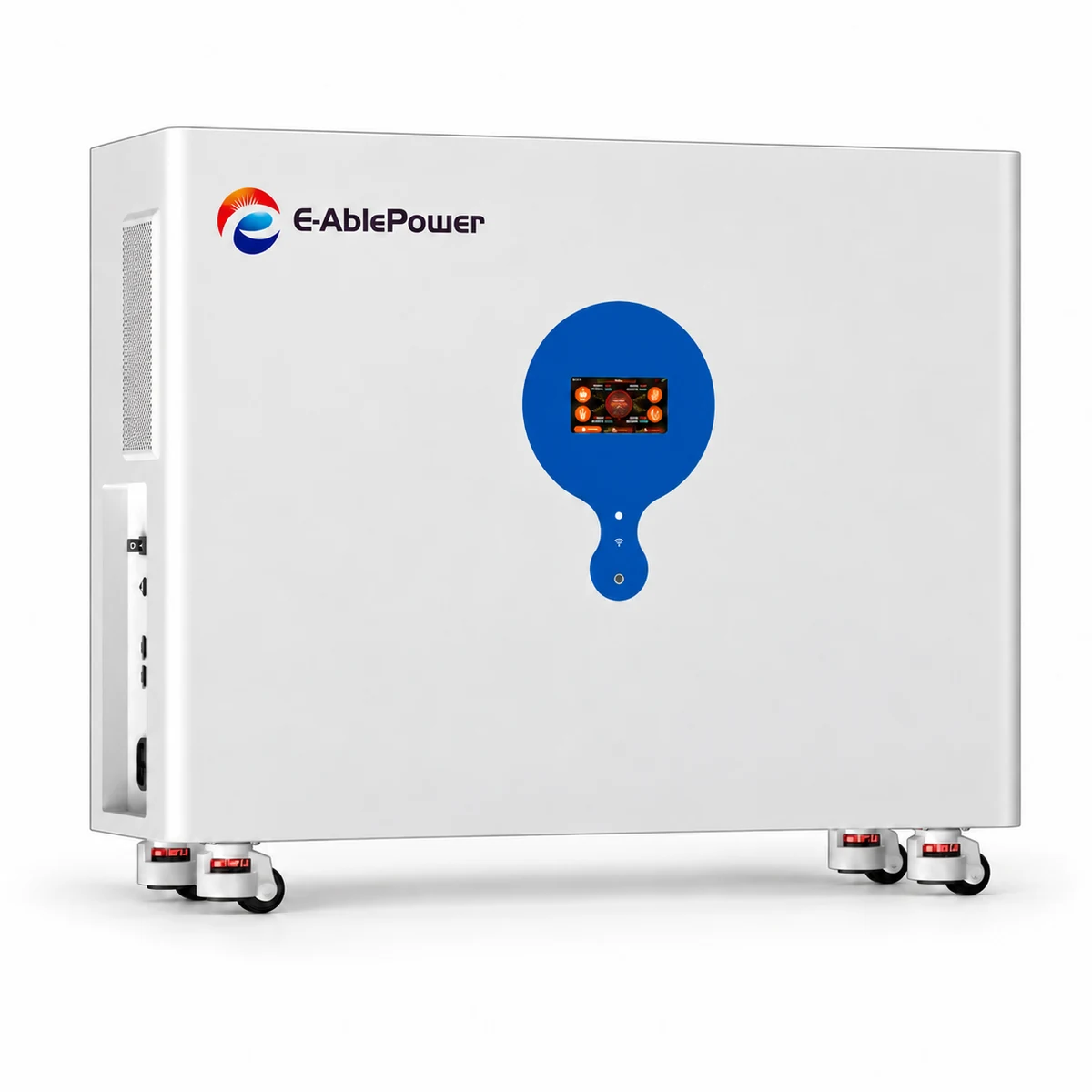
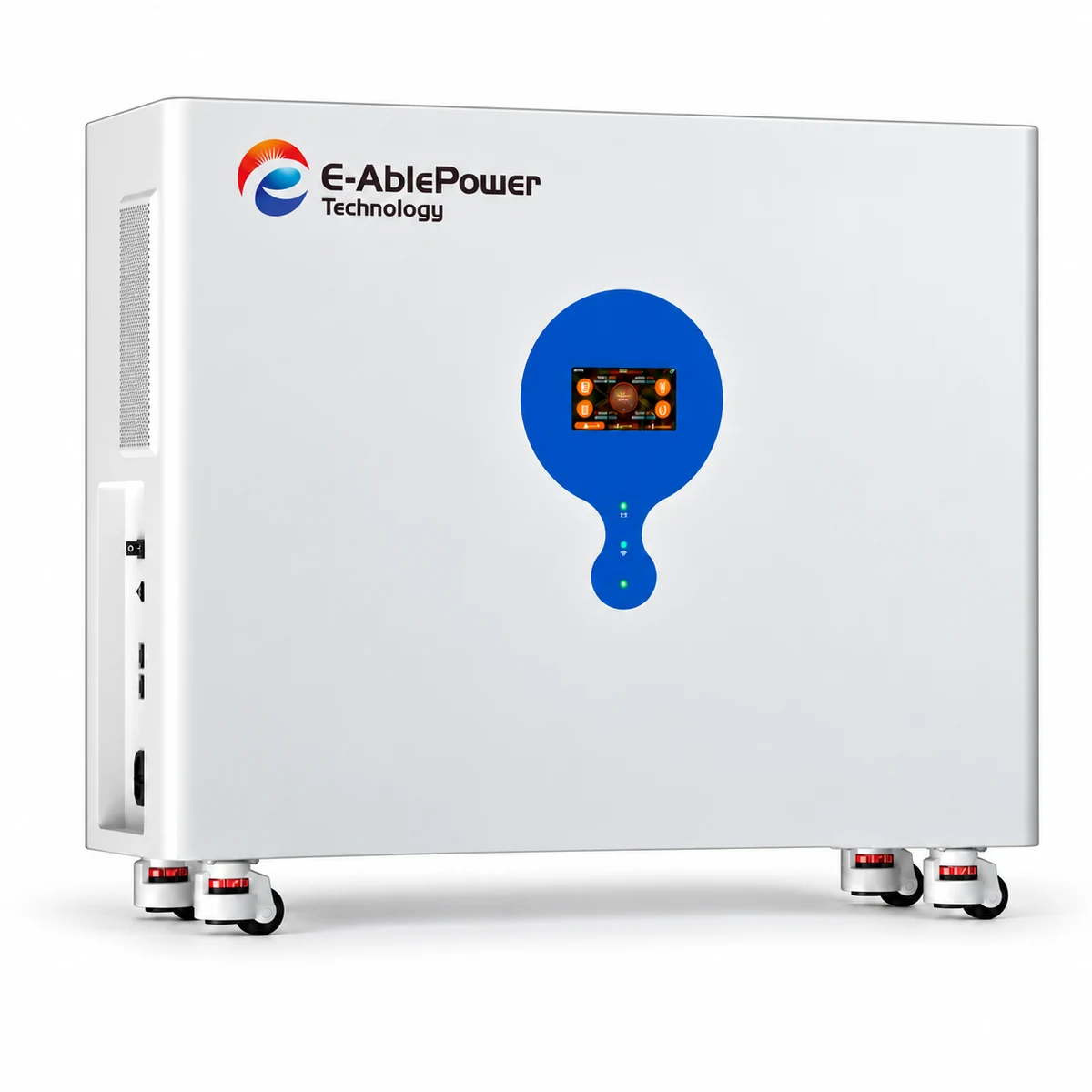
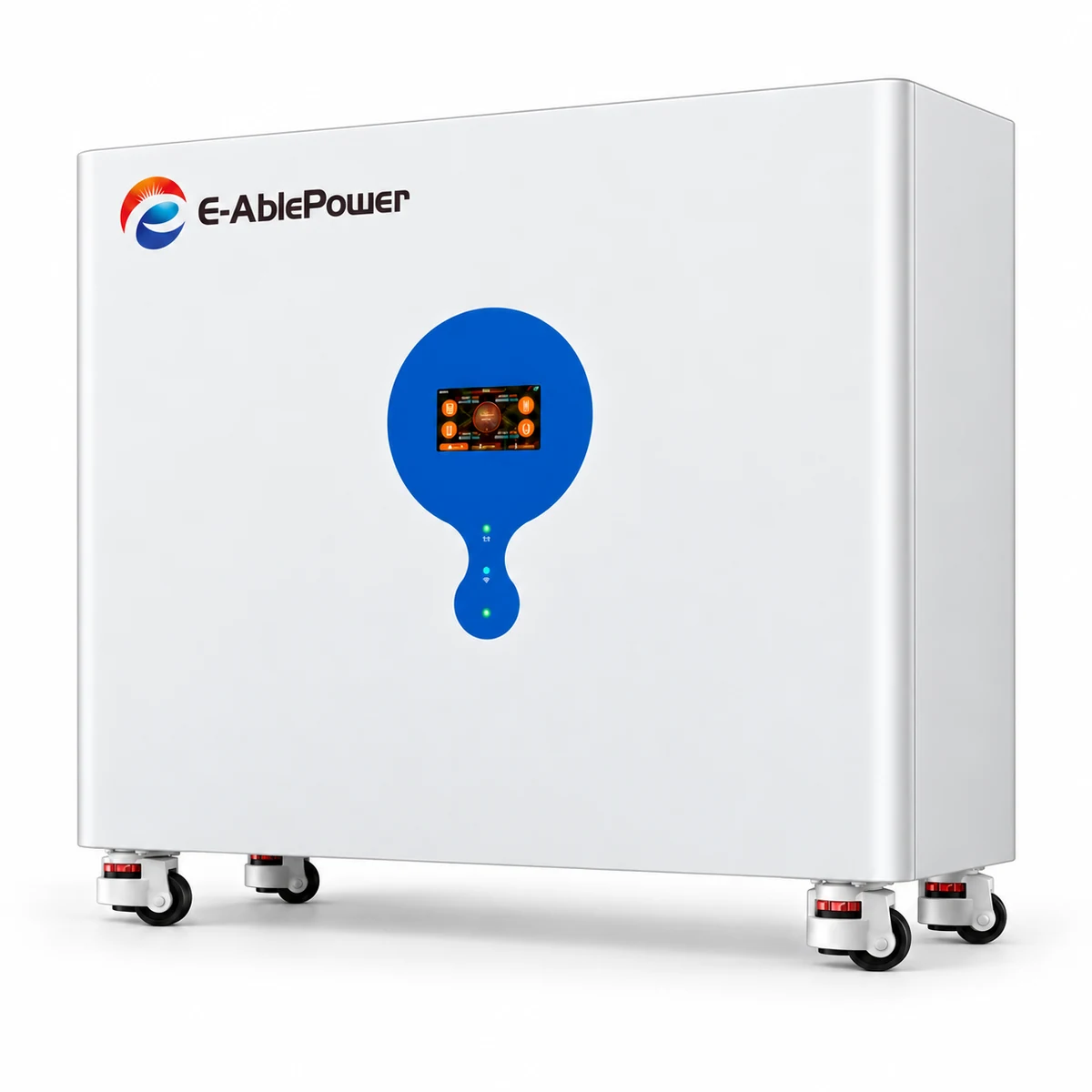
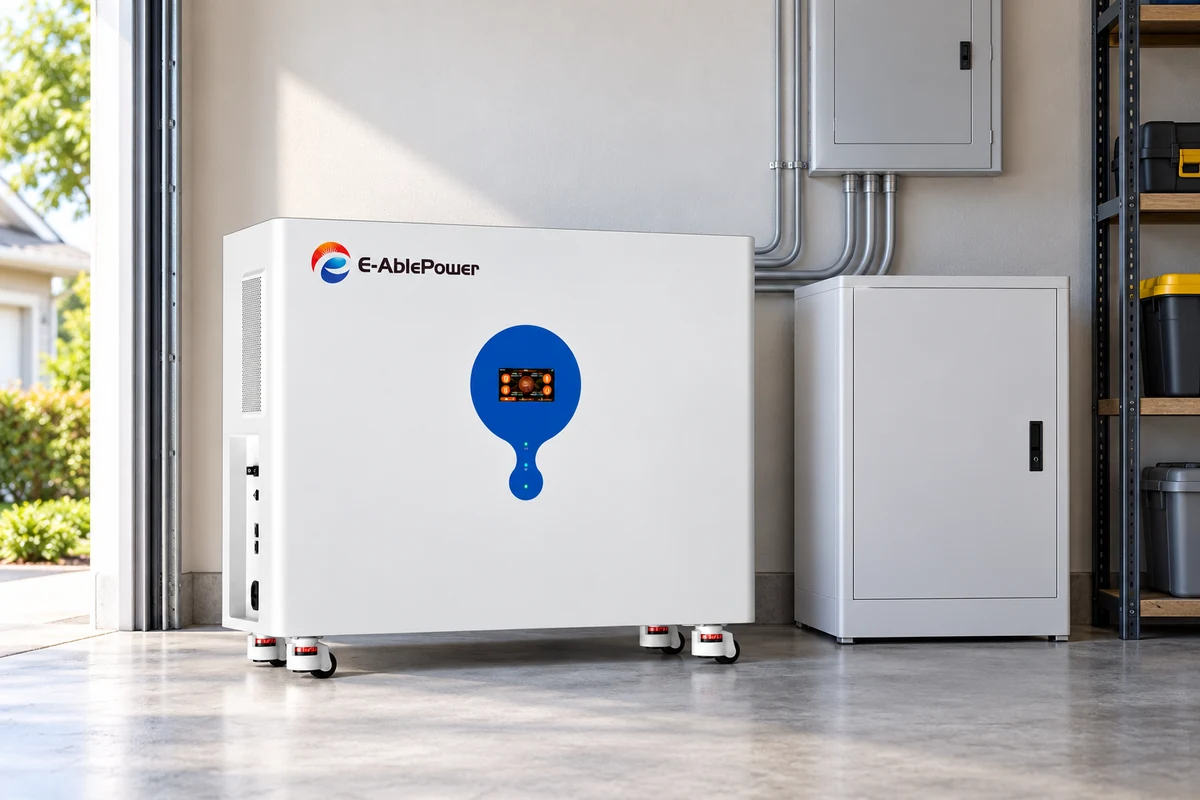
Product views
PV and battery matching
AVS is a voltage stabilizer fitted on the AC side of the system. It holds a wandering supply inside the 85–140 Vac window at ±2% before that power reaches the inverter, which is what keeps a long rural feeder or a lightly loaded generator from dropping the unit to bypass.
The stabilizer is chosen for two-way operation. Grid power enters through it and is regulated; power the inverter produces passes back through the same path to the grid, so a grid-tied installation keeps its export. Most stabilizers are one-way: they accept the mains, regulate it into the inverter, and cannot carry current in the reverse direction. Fitting one of those would leave export blocked, or force the inverter to bypass the stabilizer entirely and lose regulation at exactly the moment it matters.
On the DC side the unit takes 12 kW + 12 kW of PV at 32 A per tracker over a 90–450 Vdc window with 500 Vdc open circuit, charging at 250 A from PV and 160 A from AC. Output is 12 kW split-phase with 7.2 kW maximum per line-to-neutral terminal, so 120 V loads must be balanced across L1 and L2.
Frequently asked questions
What does AVS mean on this model?
AVS is the voltage stabilizer supplied with the inverter. It regulates the incoming AC supply to ±2% across an 85–140 Vac window and holds output frequency to ±0.1%, which is what makes the unit usable on unstable grids, long feeders and generator supplies.
Why does it matter that the stabilizer is bidirectional?
Because a stabilizer sits in series with the grid connection. If it only passes current inward, the inverter cannot push exported power back out through it, so grid-tied export is either blocked or has to bypass the stabilizer. This unit is specified with a two-way stabilizer so regulation and export work at the same time.
Can I use a stabilizer I already own?
Only if it is rated for reverse power flow as well as forward. A conventional one-way stabilizer will block export, and wiring the inverter around it means the export path is no longer regulated. Confirm the reverse-current rating with the stabilizer's manufacturer before pairing it with a grid-tied inverter.
Why is there a 7.2 kW limit per terminal?
The inverter is rated 12 kW across L1 and L2, but any single line-to-neutral terminal carries a maximum of 7.2 kW. Keep 120 V loads balanced between the two legs; a single load above that figure has to be rewired to 240 V or split.
Is it certified for grid connection?
No certification documents were supplied for this model, and we do not claim grid-connection approval. Ask for the certificates relevant to your market before filing an interconnection application.
Related products
- Residential Solar Power Inverter — overview of the full inverter range
- Split Phase Hybrid Inverter 7.2kW 12kW — existing split-phase series
- Energy Storage Systems — battery and ESS options
Product appearance is an illustration. Specifications are transcribed from supplier datasheets and are subject to confirmation; final configuration, certification and warranty are per the signed sales contract.